Neighborhood Guide
Shinagawa / Osaki
Shinagawa has been Tokyo's gateway for longer than almost anywhere else in this guide — literally, in the Edo period, as the first post town travelers reached leaving the city, and now, in a more modern sense, as the Shinkansen and airport-access hub most business travelers pass through without a second thought. We're pairing it with neighboring Osaki because the two function as one continuous, increasingly residential corridor south of the more familiar central Tokyo neighborhoods, and because the redevelopment currently underway here is genuinely large enough to change how this area is perceived within the next few years.
The short version: Shinagawa is mid-transformation — a historic post town and transit hub becoming a genuine mixed-use residential district via one of JR East's largest-ever redevelopment projects. Osaki, one JR stop southwest of Shinagawa, is a quieter, already-established office-and-residential area that rarely comes up in relocation conversations despite genuinely good access and value.
The first stop leaving Edo, and the first stop into it
When Tokugawa Ieyasu formalized the Tokaido — the great coastal road connecting Edo to Kyoto — in the early 1600s, Shinagawa-juku became its first official post town, the closest to the city of any of the fifty-three stations along the route. Feudal lords making the mandatory alternate-attendance journey to Edo (sankin-kotai) would stop here to rest and groom themselves before making their formal entrance into the capital, which made Shinagawa's inns and teahouses genuinely prosperous — at its peak, roughly 1,600 households and 7,000 residents, with a pleasure quarter substantial enough to be considered the southern counterpart to Yoshiwara in the north. The old road's width is essentially unchanged since the Edo period, and the narrow, strip-shaped land parcels along it survive too, even though the neighborhood largely escaped WWII bombing and most of the actual period buildings have since been replaced. A walk along the old Tokaido through Kitashinagawa today is a genuinely different experience from anywhere else in this guide — a living street pattern from four centuries ago, running directly alongside a neighborhood in the middle of one of Tokyo's largest active redevelopments.
Takanawa Gateway City: the redevelopment reshaping this end of the guide
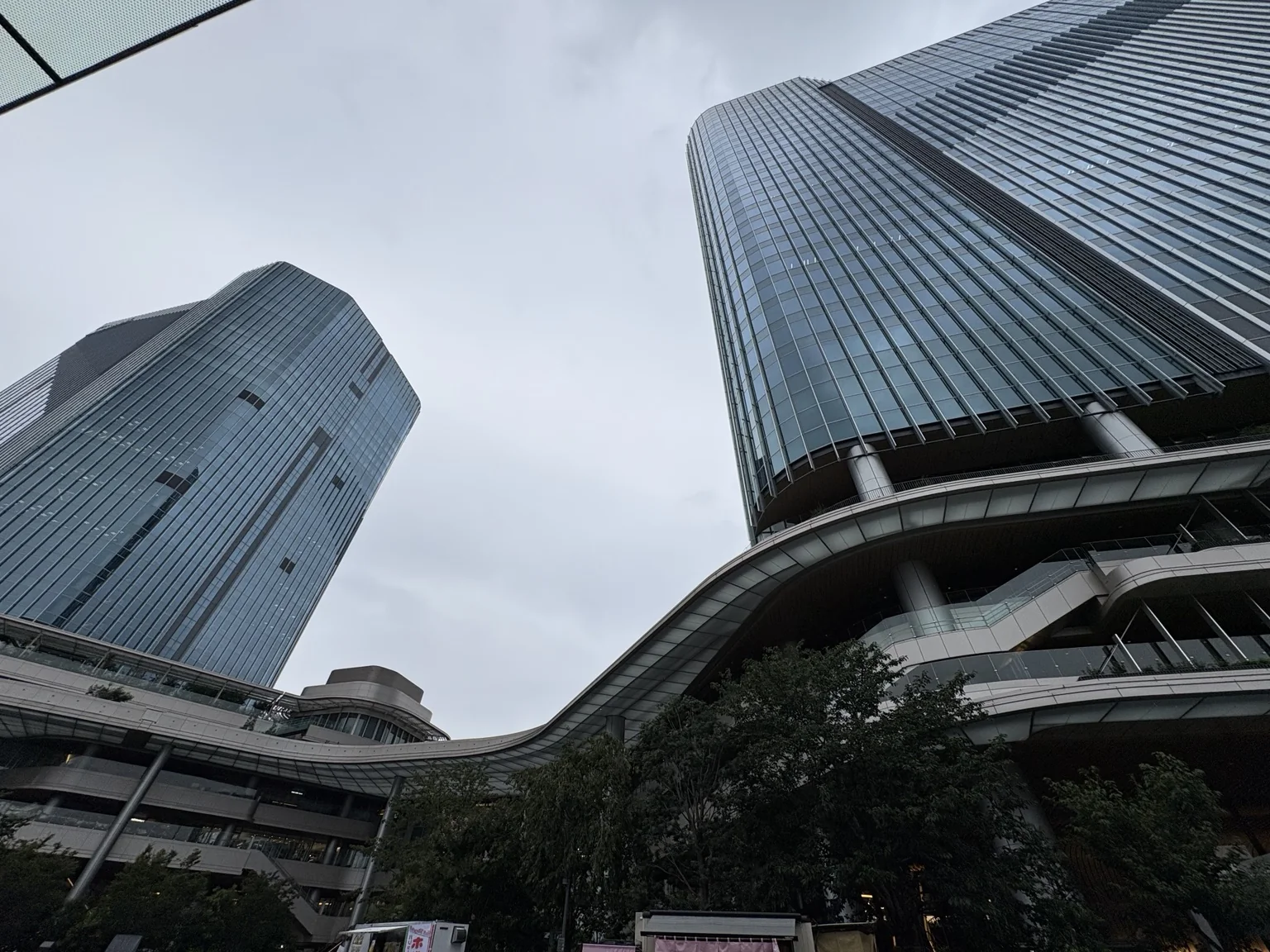
Takanawa Gateway Station itself opened in March 2020, the first new station added to the Yamanote Line loop in decades, designed by Kengo Kuma around a striking 110-meter origami-inspired white membrane roof. But the station was always meant to be the first piece of something much larger: Takanawa Gateway City, JR East's largest single-company redevelopment project, built on a former train depot site — roughly 7.4 hectares, a total floor area of about 845,000 square meters (something like 18 Tokyo Domes), and a total investment in the range of ¥600 billion. The first phase, THE LINKPILLAR 1 twin towers, opened in March 2025; the project reached its full grand opening in March 2026, with THE LINKPILLAR 2, the residential tower, and MoN Takanawa — a Kengo Kuma-designed cultural building — all now operating. The project's "Global Gateway" concept deliberately references the neighborhood's history — the site sits near where the old Takanawa Okido checkpoint once controlled entry to Edo, and remnants of the Meiji-era Takanawa Chikutei railway embankment, excavated during construction, are preserved and displayed as part of the new development.
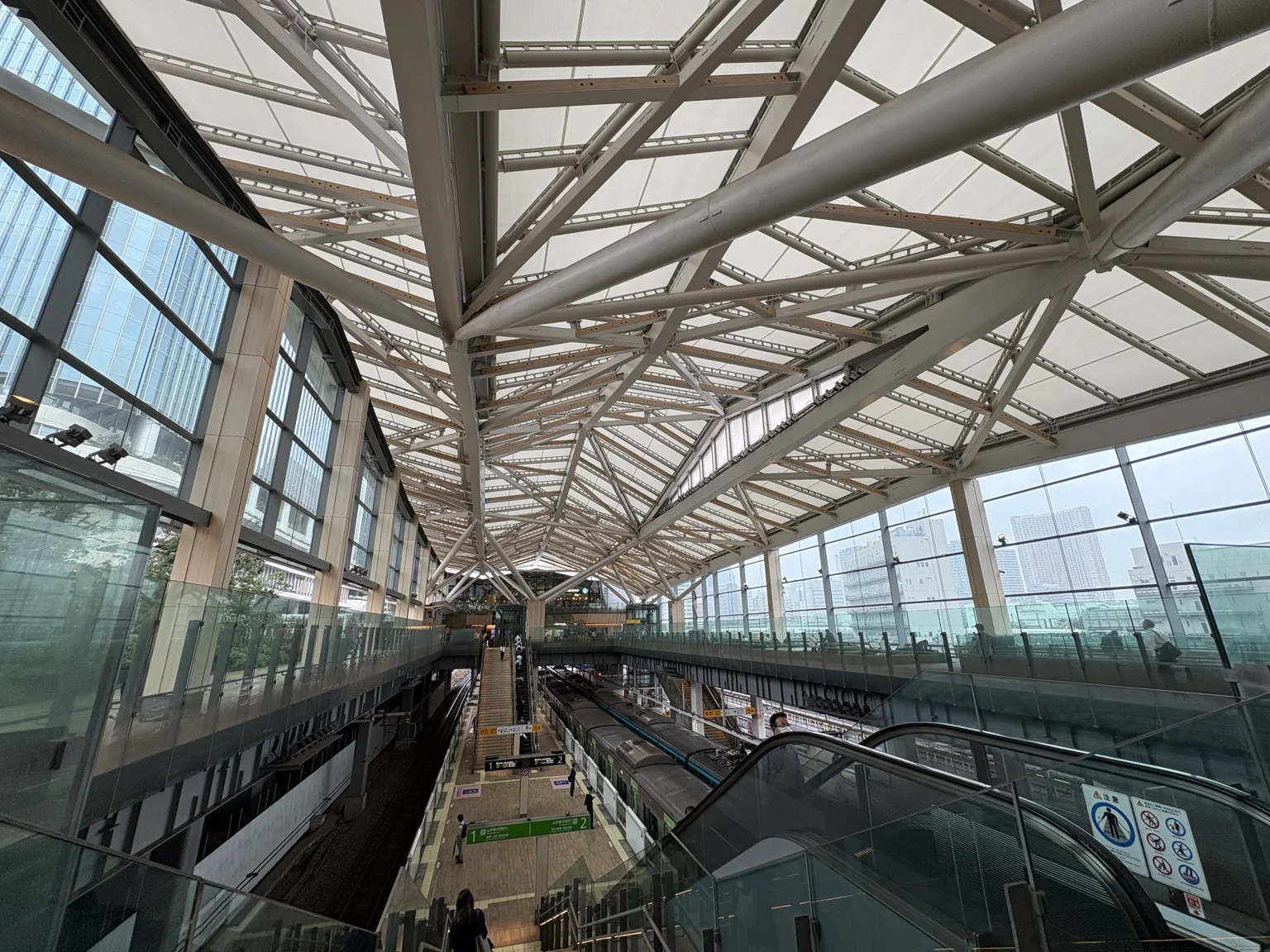
For a client evaluating this area, two details matter more than the architecture: JW Marriott's first Tokyo-area property is open here as the project's hotel partner, occupying floors 23–30 with roughly 200 rooms — and, genuinely significant for a relocation-focused guide, Tokyo International School is now based at TAKANAWA GATEWAY CITY RESIDENCE, 3-15-2 Mita, Minato-ku, Tokyo 108-0073, occupying the low-rise podium of the 44-floor, 847-unit residential tower (rental only, no units for sale). For 2026–27, TIS accepts Kindergarten–Grade 11 (Lower School Kindergarten–Grade 5; Upper School Grades 6–11), with no new Grade 12 admissions. TIS is an IB-certified school with roughly 500 students from around 70 countries, and its move here is a genuine signal about where this end of Tokyo is heading for international families specifically.
Sengaku-ji: the 47 Ronin, a short walk from the new towers
Sengaku-ji, a Soto Zen temple founded in 1612 by Tokugawa Ieyasu (originally nearer Edo Castle, relocated here after a fire), is one of Japan's most historically resonant temples — the burial site of Lord Asano Naganori and the 47 Ronin, the samurai whose act of loyalty and revenge became one of the most retold stories in Japanese history and culture. The grounds include a small museum and the actual grave markers, with an incense-offering ritual visitors can take part in. It's a striking contrast to stand at a 17th-century grave site with a 21st-century mixed-use tower development visible just up the road — as good a single image as any for how this neighborhood holds its history alongside its redevelopment rather than replacing one with the other.
Osaki: the quieter, already-finished version of this story
Osaki, one JR stop southwest of Shinagawa, went through its own major redevelopment starting in the 1990s and 2000s — Gate City Osaki and the neighboring Osaki New City transformed a former industrial and factory district into an office, retail, and residential complex, and ThinkPark Tower, near the station's west exit, added further office and dining space. The result today is a genuinely pleasant, low-key business district with residential buildings mixed in, daily-life infrastructure (a supermarket and pharmacy inside Gate City Osaki itself), and open plazas that feel calm rather than sterile. It rarely comes up when clients first think about where to live in Tokyo, largely because it has no single famous landmark — but for a client who wants strong transit access, more space, and a working district without central Tokyo's intensity, it's genuinely underrated.
Getting around
Shinagawa combines JR conventional lines, the Tokaido Shinkansen, and Keikyu services in one major interchange, with direct rail access to Haneda Airport — genuinely excellent for a client who travels domestically and internationally on a regular basis. Osaki Station adds the Rinkai Line to the Yamanote and Saikyo lines already running through it, useful for a waterfront-area commute without backtracking through central Tokyo. Takanawa Gateway Station now serves a fully open mixed-use district, although its identity as a destination in its own right — rather than an extension of Shinagawa — is still emerging.
Which side of the station you're actually on
The important distinction for a resident isn't simply Shinagawa versus Osaki — it's which side of each station you're on. Shinagawa's Konan side, facing the bay, is newer office towers and waterfront development; the Takanawa side, where the new city sits, is where the redevelopment described above actually is. Kitashinagawa, along the old Tokaido, is the historic townscape; Gotenyama, a short walk inland, is Shinagawa's established residential hillside. At Osaki, the east and west sides of the station split similarly between newer office-and-residential development and the calmer streets further from the tracks. When we're actually placing a client here, we're naming one of these five, not "Shinagawa" or "Osaki" as a whole.
Who this suits, and who it doesn't
A common observation from clients who tour this area for the first time: it reads as considerably more residential and livable than its reputation as "just a transit hub" suggests, especially once the current redevelopment phases complete.
Best for:
- Frequent domestic and international travelers who want Shinkansen and Haneda access built into daily life
- Clients who want genuinely new buildings and infrastructure, now that Takanawa Gateway City has reached its full grand opening
- Anyone drawn to Osaki's underrated combination of space, transit access, and a calmer working-district feel
Less ideal for:
- Clients who want an already-settled, fully finished neighborhood rather than one still under active construction in parts
- Families whose school choice is already settled elsewhere — Tokyo International School's completed relocation to Takanawa Gateway City is recent, and switching schools mid-relocation is its own decision
- Anyone prioritizing a strong existing sense of neighborhood character over transit logistics and redevelopment potential
Schools and family life
Tokyo International School's completed relocation to Takanawa Gateway City, noted above, is the significant recent development for families — it puts an established international school directly in the neighborhood for the first time, with the campus in Mita, Minato-ku, beside Takanawa Gateway. Families already settled elsewhere may not want to switch schools mid-relocation, but for a new arrival, this changes the calculus on Shinagawa/Osaki considerably.
Everyday shopping and daily life
Shinagawa Station's retail — Wing Takanawa and the concourse shops — covers daily needs easily for anyone living nearby, and Takanawa Gateway City's new retail is expanding that further. Osaki's ThinkPark and station-front developments do the same on the Osaki side, with a calmer, more office-district feel than Shinagawa's transit-hub energy.
Rent level
As a guide only — confirmed with current listings before you commit to a budget — this area generally runs from around ¥350,000/month for a smaller apartment up to ¥1,000,000+/month for the newest towers near either station. Figures are based on TokyoExpat's own market observation as of September 2026 and move with the specific building, size, and season; see our Luxury Rent Report for aggregate market data across central Tokyo.
The residences themselves
Takanawa Gateway City's 847-unit residential tower, all rental (no units for sale), is now open alongside more established apartment buildings in Osaki and the residential pockets around Gotenyama and the old Shinagawa-juku streets. This end of Tokyo has moved from "coming soon" to genuinely available faster than most redevelopments in this guide — get in touch and we'll walk you through what's currently available across all five sub-areas.
Buildings we currently list in this area include Osaki Station Residence — each with its own profile page covering location, contract type, and current availability.
TokyoExpat's Take
Shinagawa / Osaki
Most clients who've been to Tokyo before have passed through Shinagawa Station without ever considering it as somewhere to live — it's registered purely as a transit interchange. That's already changed on the ground, faster than most people's mental picture of the area has caught up. Our first tour here walks from Takanawa Gateway City's new towers down into the old Tokaido streets around Sengaku-ji — four centuries of Shinagawa's history in about twenty minutes on foot.