Neighborhood Guide
Kiyosumi-Shirakawa / Monzen-Nakacho
Both neighborhoods sit within old Fukagawa, a district that developed from the Edo period onward around the canals — the Onagigawa, Sendaibori-gawa, and the Sumida River itself — that once made this Tokyo's working waterfront, lined with warehouses moving goods through the city. That working-class, water-trade history shapes both neighborhoods today, even though what's been built on top of it looks almost nothing alike: Kiyosumi-Shirakawa has become an art-and-coffee destination over the past decade, while Monzen-Nakacho remains, more straightforwardly, an old shrine town.
The short version: Kiyosumi-Shirakawa is where Blue Bottle Coffee made its 2015 Japan debut inside a converted warehouse, kicking off a genuine specialty-coffee scene alongside the Museum of Contemporary Art Tokyo and a genuinely excellent Meiji-era garden. Monzen-Nakacho, a short walk away, is the old Edo-period shrine town built around Tomioka Hachimangu — the birthplace, by most accounts, of what became modern professional sumo.
How warehouses became a coffee destination
Kiyosumi-Shirakawa's transformation has a genuinely specific starting point: Blue Bottle Coffee opened its first Japan location here in 2015, inside a converted warehouse with the high ceilings and open industrial floor plan that made it an instant landmark. Independent roasters and specialty cafés followed steadily in the years after, many in similarly repurposed storage buildings that once served the neighborhood's canal-trade economy. That's cause and effect, not coincidence: the same industrial building stock that made this a warehouse district a century ago — large floor plates, high ceilings, few architectural pretensions — is what made it appealing to café owners looking for characterful space at, at the time, relatively accessible rents.
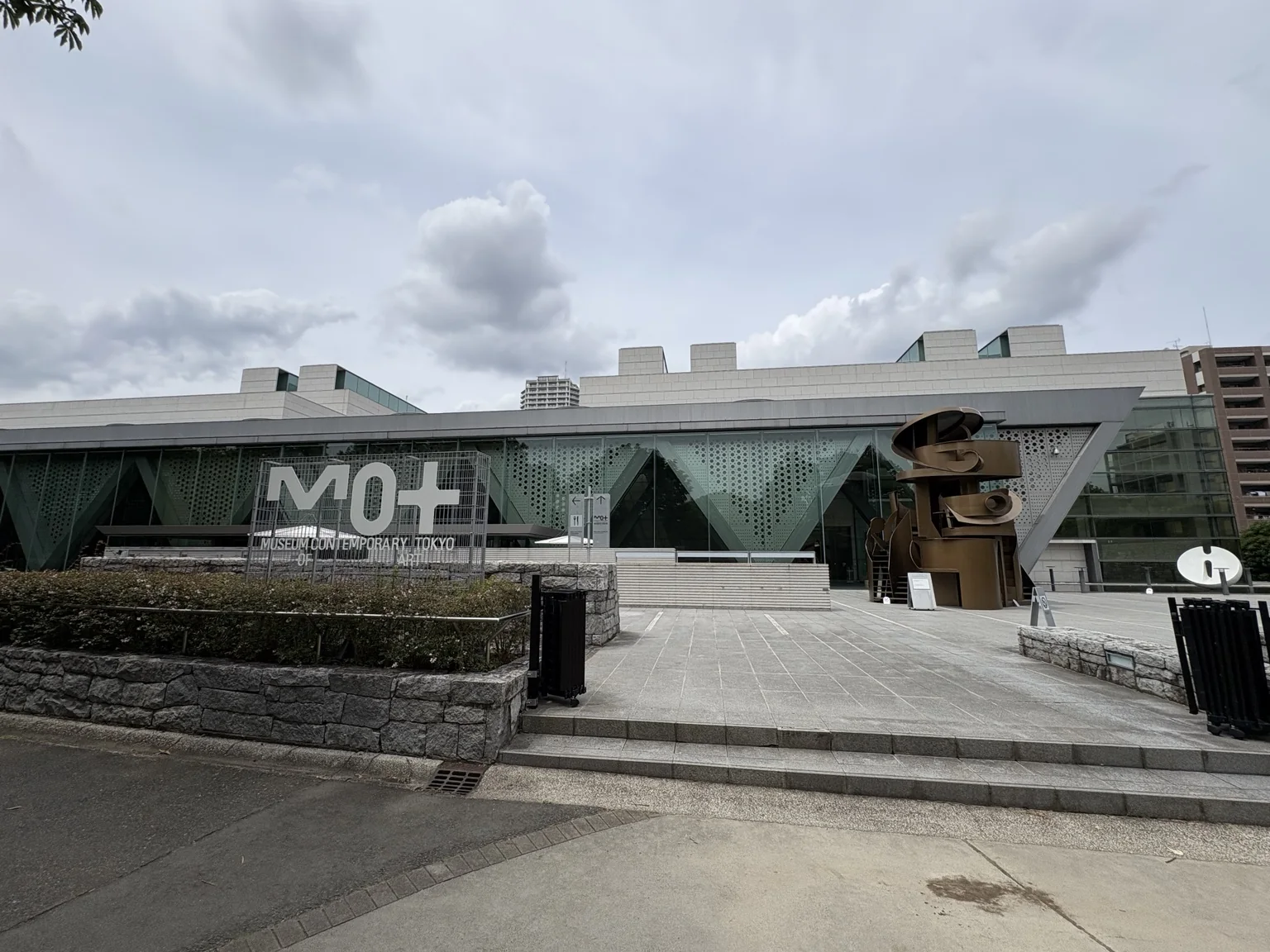
The Museum of Contemporary Art Tokyo, renovated and reopened in 2019, gives the neighborhood a cultural anchor that most residential districts outside central Tokyo simply don't have — the kind of institution that shapes a neighborhood's character rather than just decorating it. Kiyosumi Garden, a short walk away, is a Meiji-era strolling garden built around a large pond, officially recognized as Tokyo's first-ever designated scenic landmark. For a resident, the value isn't that it's a sightseeing garden — it's that a substantial historic landscape sits within an ordinary residential neighborhood, walkable on an average Tuesday rather than reserved for a special outing.
Monzen-Nakacho: the shrine town that never stopped being a neighborhood
Tomioka Hachimangu, founded in 1627, is Edo's largest hachiman shrine and — a genuinely notable footnote — the recorded birthplace of organized sumo as a spectator event, with fundraising matches held on these grounds from 1684 for roughly a century. What matters more for a resident is what the shrine anchors today: Ward officials describe Monzen-Nakacho as one of the liveliest commercial districts in Koto Ward, and the shrine's presence is a direct reason why — its grounds and approach still draw steady foot traffic, and the neighborhood around it functions as an active shopping and dining district rather than a historical backdrop. The Fukagawa Hachiman Matsuri each August, counted among Edo's three great festivals, is the clearest annual reminder that this shrine remains a genuine community institution rather than a museum piece.
A few minutes away, Fukagawa Fudo-do — the Tokyo branch temple of Naritasan Shinshoji, dating to 1703 — adds a second religious anchor to the same stretch of streets. The temple and shrine together give the area a religious presence that's still part of everyday neighborhood life, not a preserved attraction. The roughly 150-meter approach connecting the two is a functioning monzen-machi shopping street rather than a preserved tourist set — old-fashioned confectioners and everyday shops that serve residents as much as visitors.
What living here actually feels like
This is not where clients come for a trophy address — worth saying plainly rather than dressing the neighborhood up as something it isn't. They come here because they want character, space, central access, and a neighborhood that feels genuinely lived-in rather than curated. Kiyosumi-Shirakawa reads as the quieter of the two: low- to mid-rise buildings, a good number of them converted or renovated from warehouse and factory stock, residential and cultural uses mixed together rather than zoned apart, and a street-level pace that stays calm outside the café strip itself. Monzen-Nakacho is livelier and more commercial — a genuine local shopping and dining district built up around the shrine and temple, with older housing stock alongside newer mid-rise apartment buildings, and station-front streets that stay busy well into the evening. Large-scale luxury residences are limited in both; this is a market of character and space rather than concierge services and amenity floors.
Getting around
Kiyosumi-Shirakawa Station serves the Hanzomon and Toei Oedo lines, giving a direct run to Otemachi and a reasonably short ride toward Omotesando and Shibuya — a genuinely practical commute for anyone working in either direction. Monzen-Nakacho Station, a short walk south, adds the Tozai Line, useful for a Nihonbashi, Otemachi, or Ginza-direction commute without backtracking. The two are close enough to explore together on foot, but different enough as places to live that they're worth treating as separate residential choices rather than one interchangeable neighborhood.
Who this suits, and who it doesn't
A common observation from clients who visit this pairing for the first time: it reads as genuinely distinct from anywhere else in this guide — neither the engineered newness of Azabudai nor the old-money quiet of Bancho, but a working waterfront shaped by canals, warehouses, and trade that's been reinvented, in Kiyosumi-Shirakawa's case, rather than simply preserved or redeveloped.
Best for:
- Design- and coffee-conscious clients who want a genuine creative-industry neighborhood over a more corporate or traditionally upscale address
- Anyone drawn to living within walking distance of serious contemporary art and a genuinely old, still-functioning shrine district
- Clients who value neighborhood character over building prestige, and want central-Tokyo access without the same concentration of luxury development found in Hiroo or Azabudai
Less ideal for:
- Clients specifically seeking the established international-school and embassy infrastructure of Hiroo or Azabu, or the English-speaking services and concierge-oriented buildings that cluster around them
- Anyone who wants a large luxury residence with concierge service, a gym, and a pool — that stock simply isn't concentrated here
- Anyone who wants a polished, uniformly upscale streetscape — this neighborhood's appeal is a layered, lived-in character rather than a uniformly polished luxury streetscape
- Clients prioritizing brand-name flagship developments over independent, small-scale businesses
Schools and family life
There's no major international school within this pairing, and it isn't the draw for the families who do end up here — this is closer to a design-and-culture-first choice than a school-driven one. Families with school-age children who need an international campus generally look toward Hiroo, Azabu, or the newer options further west, and commute from here only if the trade-off toward neighborhood character genuinely matters to them.
Everyday shopping and daily life
Daily life runs on independent coffee roasters, small galleries, and neighborhood shops rather than a supermarket-anchored retail strip — part of what gives the area its reinvented-warehouse character. Monzen-Nakacho's shrine-town shopping street covers the practical side: groceries, pharmacies, and everyday restaurants, in a more conventional shotengai format than Kiyosumi-Shirakawa's cafe scene.
Rent level
As a guide only — confirmed with current listings before you commit to a budget — this pairing generally runs lower than Hiroo or Azabudai for comparable size, roughly ¥250,000–¥600,000/month for most of the stock, reflecting the area's smaller-scale, less concierge-heavy housing market. Figures are based on TokyoExpat's own market observation as of September 2026 and move with the specific building, size, and season; see our Luxury Rent Report for aggregate market data across central Tokyo.
The residences themselves
The two neighborhoods offer genuinely different housing character, not just different prices. Kiyosumi-Shirakawa runs toward low- and mid-rise buildings, including a meaningful number of renovated warehouse and factory conversions that give the neighborhood much of its visual character — this isn't a tower market, and it isn't trying to be. Monzen-Nakacho mixes older housing stock with newer mid-rise apartment buildings closer to the station, with a stronger everyday commercial and dining scene immediately outside the front door. Large-scale luxury developments with concierge service are limited in both — that's not what this pairing is for. Migiwa can help you explore TokyoExpat's published neighborhood and housing guides.
TokyoExpat's Take
Kiyosumi-Shirakawa / Monzen-Nakacho
We show this pairing to clients who've told us, directly or indirectly, that they want a genuine sense of neighborhood character over conventional prestige. Kiyosumi-Shirakawa makes more sense if you want creative culture, quieter streets, and a residential environment shaped by converted industrial buildings and green space. Monzen-Nakacho makes more sense if you want a more active local commercial district, stronger station convenience, and a neighborhood still visibly organized around its old shrine town. Neither is a substitute for Hiroo or Azabu. That's precisely the point.